Climate Action
Climate Action
Collaboration in Amsterdam
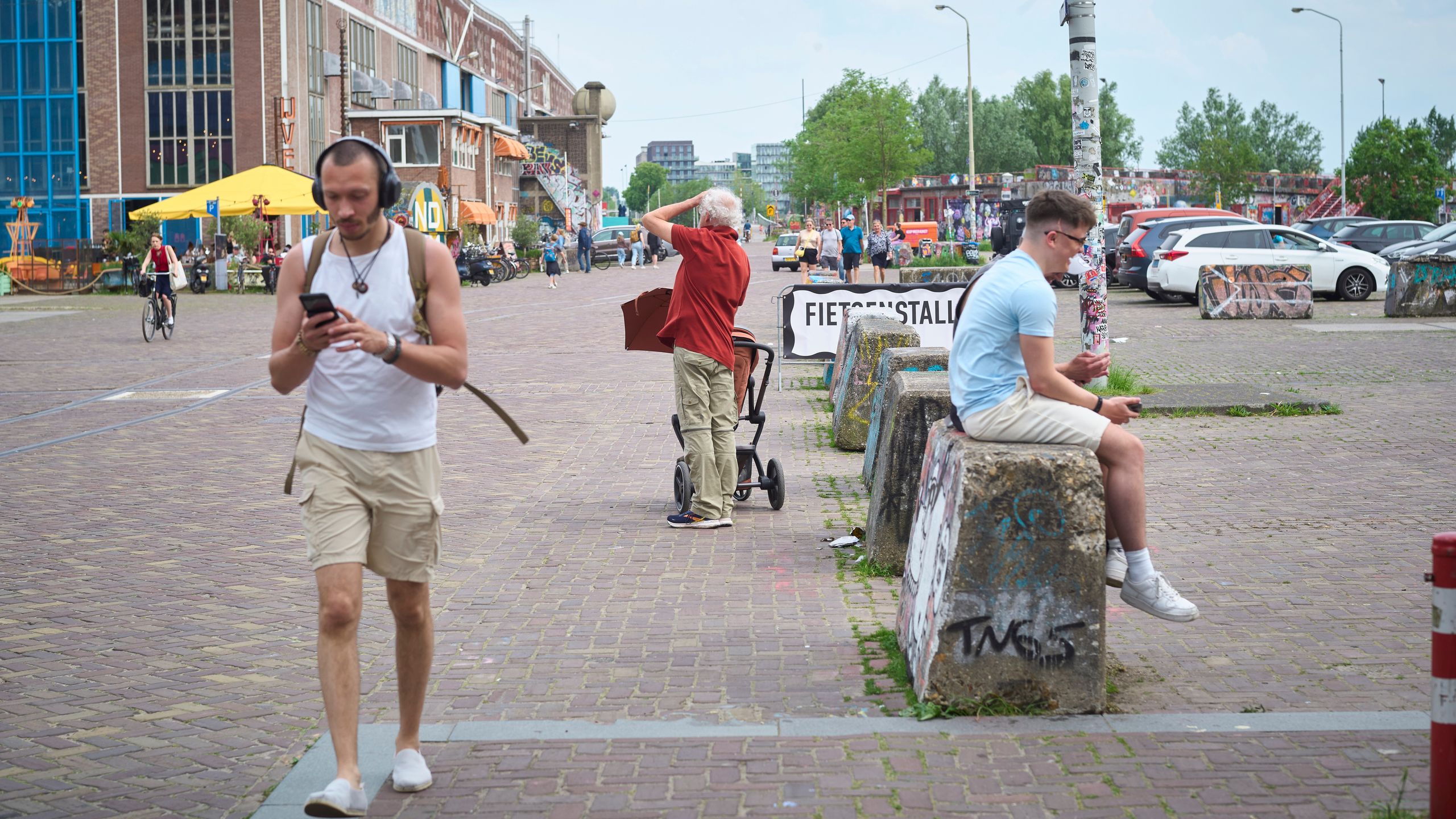
From operating the city's biggest wind turbine to generating energy from canal water and waste from a soccer stadium - in Amsterdam, business leaders, scientists and communities work to future-proof their city for the challenges of climate change. Learn more about it in our video story.
Amsterdam in the Netherlands is a city literally build on water. It's emblematic of the struggle against rising temperatures. Climate change in Amsterdam means an increase in extreme rainfall, heat stress, drought and rising sea levels. But the city also stands as a beacon of innovation, resilience and solutions that can be scaled elsewhere.
- How does the city push for groundbreaking solutions and innovations to keep it livable?
- How does is impact the people living in Amsterdam?
- Who are the drivers of the energy transition and how do they collaborate?
BMW Foundation stories: Energy Transition in Amsterdam
In Amsterdam, leaders and expert from business, science, and civil society work together to meet the city’s ambitious measures to become climate neutral by 2050. According to the Intergovernmental Panel on Climate Change (IPCC), cities hold the key to driving ambitious emissions cuts and fostering climate-resilient development. And when it comes to Amsterdam, the data paints a stark picture – the emissions per person in the city are high.
If everyone on Earth lived like a Dutch person, we would consume the resources of 3.6 Earths this year, as per the Global Footprint Network Therefore, the city aims to lead by example and has unveiled a comprehensive Climate Action Plan, setting the stage for a transformative journey towards a sustainable future. These are some of the key pillars that will guide the collective efforts:
If everyone on Earth lived like a Dutch person, we would consume the resources of 3.6 Earths this year, as per the Global Footprint Network Therefore, the city aims to lead by example and has unveiled a comprehensive Climate Action Plan, setting the stage for a transformative journey towards a sustainable future. These are some of the key pillars that will guide the collective efforts:
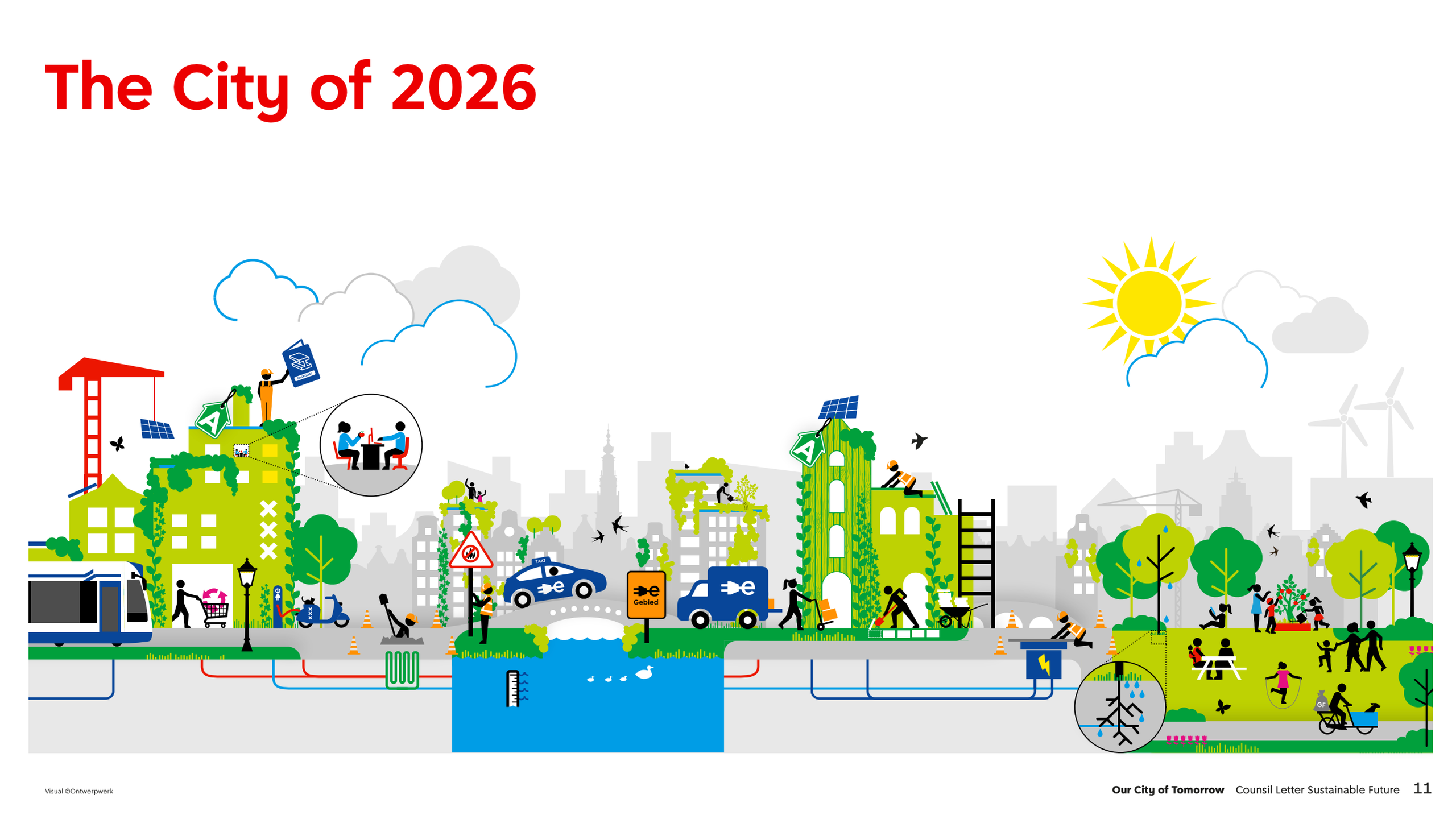
- Equity and Inclusivity: Unequal investment for equal opportunities will be the guiding principle, ensuring a socially just transition. The city will prioritize insulating homes for vulnerable residents and develop an Action Plan for Energy Saving to support neighborhoods in reducing their energy use.
- Sustainability by Default: The new standard will be "sustainable, unless" - any deviation from sustainable practices must be thoroughly substantiated, with decisions made in line with the coalition agreement commitments.
- Climate Adaptation: The city will structurally integrate the risks of extreme weather events, developing new standards, requirements, and guidelines to protect Amsterdam against the effects of these conditions.
- Affordable Public Heating: The city is preparing a public heating grid for Amsterdam, with the affordability of residents' energy bills as a paramount concern.
- Inclusive Engagement: The city is establishing a new Sustainability Council and a Climate Consultation Hour to facilitate input from underrepresented groups, both within and beyond Amsterdam.
- Circularity as the Standard: Circularity will become the new norm, with a focus on intelligent production and reduced consumption. The city will support at least 100 businesses per year to transition to circular operations.
Energy Transition:
Defining the Path to a Sustainable Future
The global energy transition is a fundamental shift in the way the world produces, distributes, and consumes energy. This transformative process is driven by the urgent need to address the pressing challenges of climate change, environmental degradation, and the depletion of fossil fuel resources. The primary goals of the global energy transition are:
Decarbonization: Reducing greenhouse gas emissions, particularly carbon dioxide (CO2), to mitigate the impacts of climate change and meet the targets set by international agreements, such as the Paris Agreement.Renewable Energy Expansion: Transitioning away from fossil fuels towards renewable energy sources, such as solar, wind, hydropower, geothermal, and bioenergy, to create a sustainable and clean energy system.Energy Efficiency: Improving the efficiency of energy production, distribution, and consumption to reduce overall energy demand and minimize waste.Energy Access and Equity: Ensuring universal access to affordable, reliable, and modern energy services, particularly in underserved and developing regions, to promote social and economic development.
Decarbonization: Reducing greenhouse gas emissions, particularly carbon dioxide (CO2), to mitigate the impacts of climate change and meet the targets set by international agreements, such as the Paris Agreement.Renewable Energy Expansion: Transitioning away from fossil fuels towards renewable energy sources, such as solar, wind, hydropower, geothermal, and bioenergy, to create a sustainable and clean energy system.Energy Efficiency: Improving the efficiency of energy production, distribution, and consumption to reduce overall energy demand and minimize waste.Energy Access and Equity: Ensuring universal access to affordable, reliable, and modern energy services, particularly in underserved and developing regions, to promote social and economic development.
Questions? Contact us.

BMW Foundation Team