Energy Transition & Climate Change
Energy Transition in Africa
Rethinking Risk Frameworks for Investments
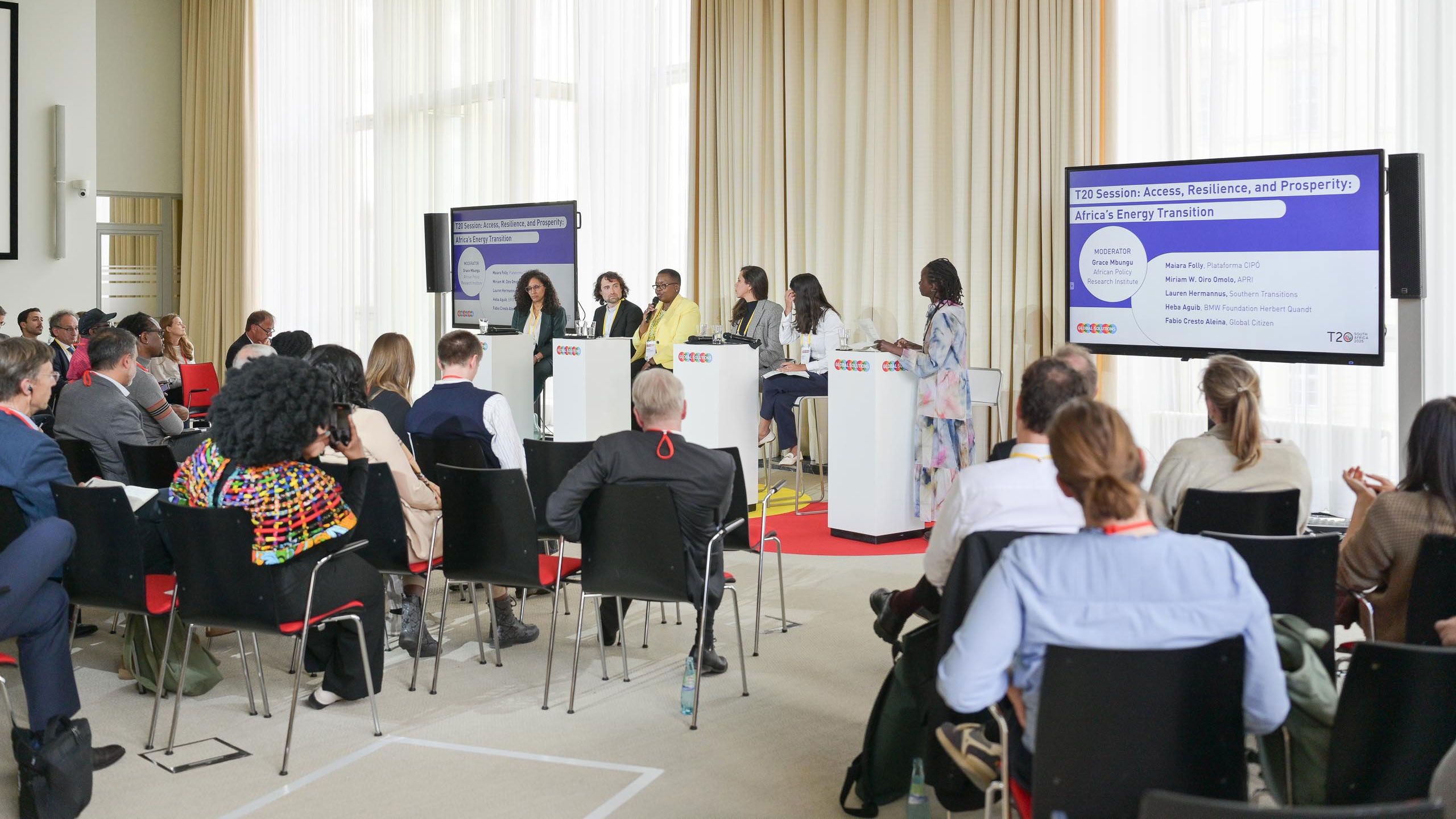
“Never change a running system – that mindset is outdated.” At this year’s Global Solutions Summit (May 5 - 6, 2025), our board member Heba Aguib argued for rethinking risk frameworks for investments in the energy transition, particularly in Africa. “Philanthropy must move from a de-risking mindset to actively steering processes and investments. We need to follow a start–to-impact process.”
The Global Solutions Summit in Berlin is an international conference focused on key policy challenges for the G20, G7, and other global governance groups. This year’s theme was “Bridging Divides: New Pathways for Global Prosperity.”
Heba Aguib’s call for a “non-aid approach” received support from other panelists during a Think 20 (T20) session entitled “Access, Resilience, and Prosperity: Africa’s Energy Transition.” The Global Solutions Summit 2025 in Berlin is officially recognized as a side event of the T20 South Africa process. T20 is a G20 engagement group that connects research institutes and experts worldwide to contribute insights to G20 discussions.
Heba Aguib’s call for a “non-aid approach” received support from other panelists during a Think 20 (T20) session entitled “Access, Resilience, and Prosperity: Africa’s Energy Transition.” The Global Solutions Summit 2025 in Berlin is officially recognized as a side event of the T20 South Africa process. T20 is a G20 engagement group that connects research institutes and experts worldwide to contribute insights to G20 discussions.
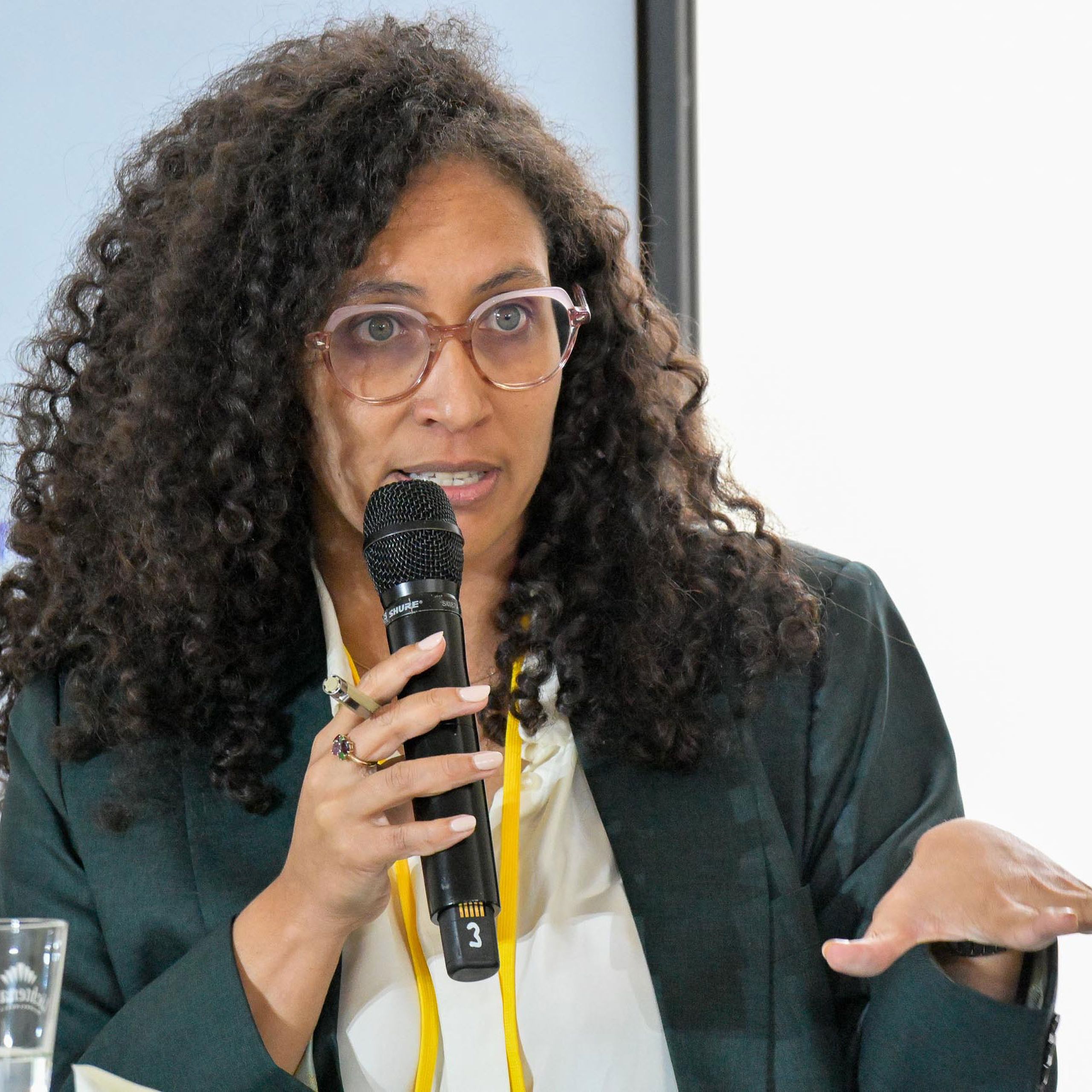
Lauren Hermanus, Co-founder Southern Transition
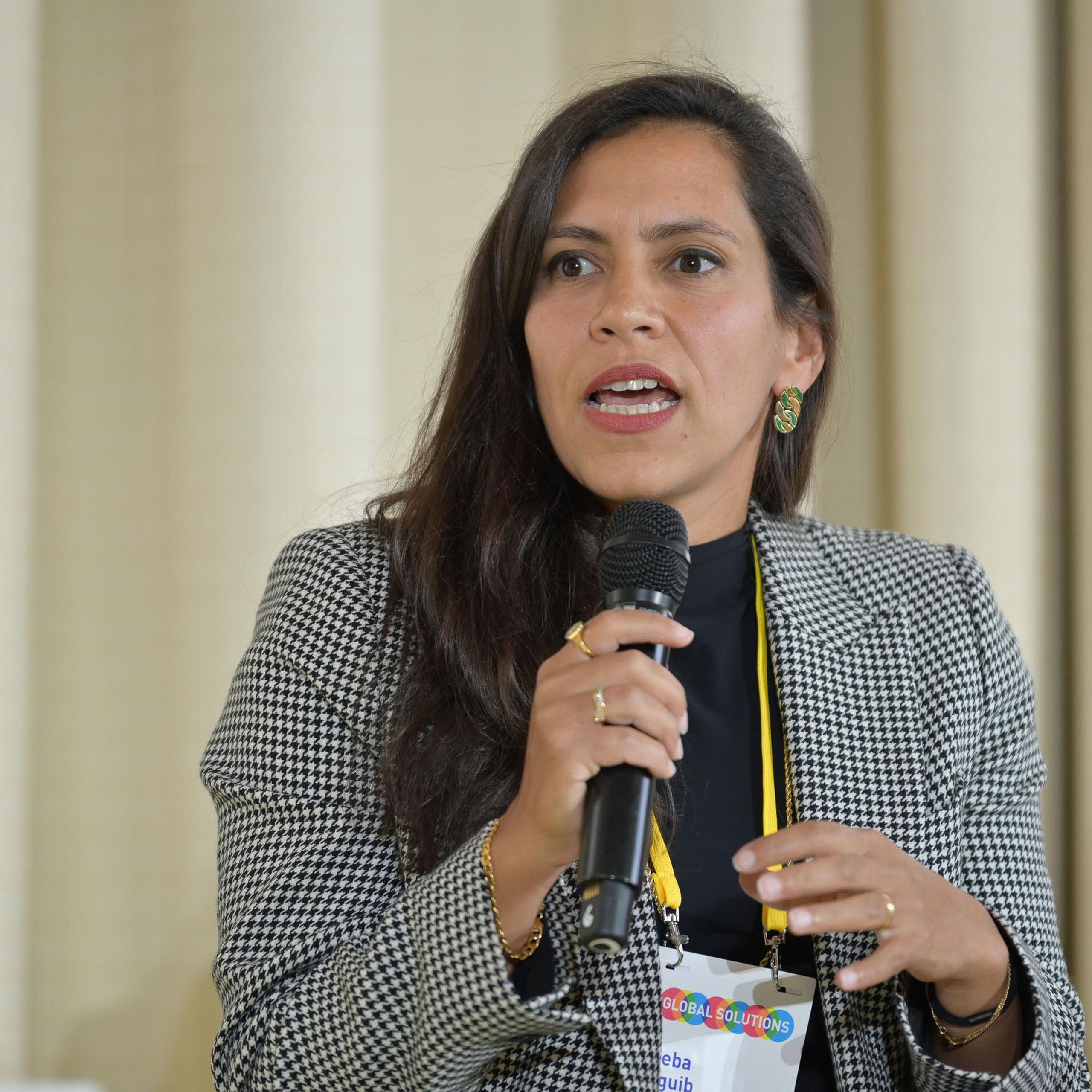
Heba Aguib, member of the board, BMW Foundation Herbert Quandt
"Philanthropy must move from a de-risking mindset to actively steering processes and investments."
Member of the board, BMW Foundation
Africa receives just 3% of global energy investments. This is a small part of the $200 billion needed each year to reach climate and energy access goals. Despite having a strong foundation for transforming its energy sector, thanks to its vast potential for renewables, the continent still invests heavily in fossil fuels. In 2025, fossil fuels will provide 69% of Africa’s power capacity. Yet by 2035, renewables are set to rise to 45% as nations boost their green efforts.More than 600 million people in Africa do not have electricity. Also, 900 million people lack clean cooking options. This shows a strong need for decentralized renewables and expanded grids. Switching to renewable energy can bring major socio-economic benefits to African countries. This includes better energy access, more jobs, and greater energy security.What also needs to shift is the perception of a continent rich in resources and even richer in youth and tech-savy people. “We need to move from narratives of scarcity to narratives of potential,” said Fabio Cresto Aleina, Senior Consultant on Climate Adaptation and Renewables at Global Citizen. He pointed out that with its immense potential in renewables and critical minerals, Africa has a great opportunity to leapfrog fossil fuels and align growth with climate action. “A new framing is necessary; it should include African voices and African solutions.”
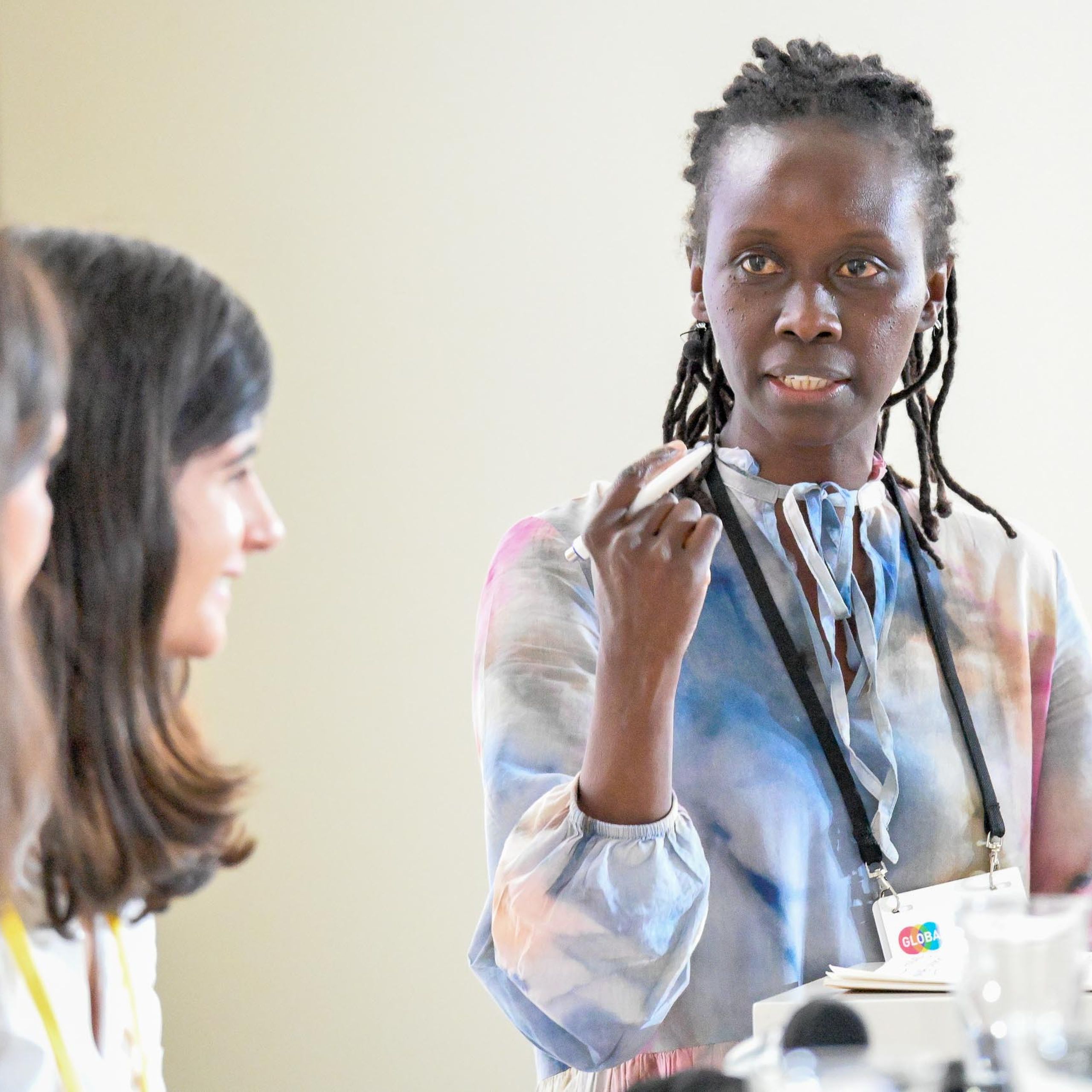
The BMW Foundation’s challenge, “International collaboration to develop energy transition and infrastructure solutions,” aims to boost global cooperation to speed up the net-zero transition and make it more cost-effective. As an internationally active networking foundation, we believe that the energy transition is a global challenge that requires solutions from all around the world. Technology plays a crucial role in a successful transition. But it’s international collaboration that will help societies worldwide progress faster.The transition calls for coordinated partnerships and new collaboration models toward a sustainable energy future. “We need to be collaborative on a completely new level,” argues Heba Aguib. “And now is a good time for Europe to focus on its new role in the world.” Working together is important for sharing fresh ideas and best practices. In this way, the energy transition can better address local needs while also reaching a global audience.The G20 in South Africa will be a great opportunity to do just that. The BMW Foundation is taking part in the process and its engagement groups and will be South Africa from 16 – 23 November 2025. South Africa holds the presidency of the G20 from December 1, 2024 until November 30, 2025, the first time that this global group is led and hosted by an African country. The G20 members include the world’s major economies, representing 85% of global gross domestic product (GDP), over 75% of international trade, and about two-thirds of the world’s population. The G20 Presidency rotates annually among the members.
Questions? Contact us.

BMW Foundation Team